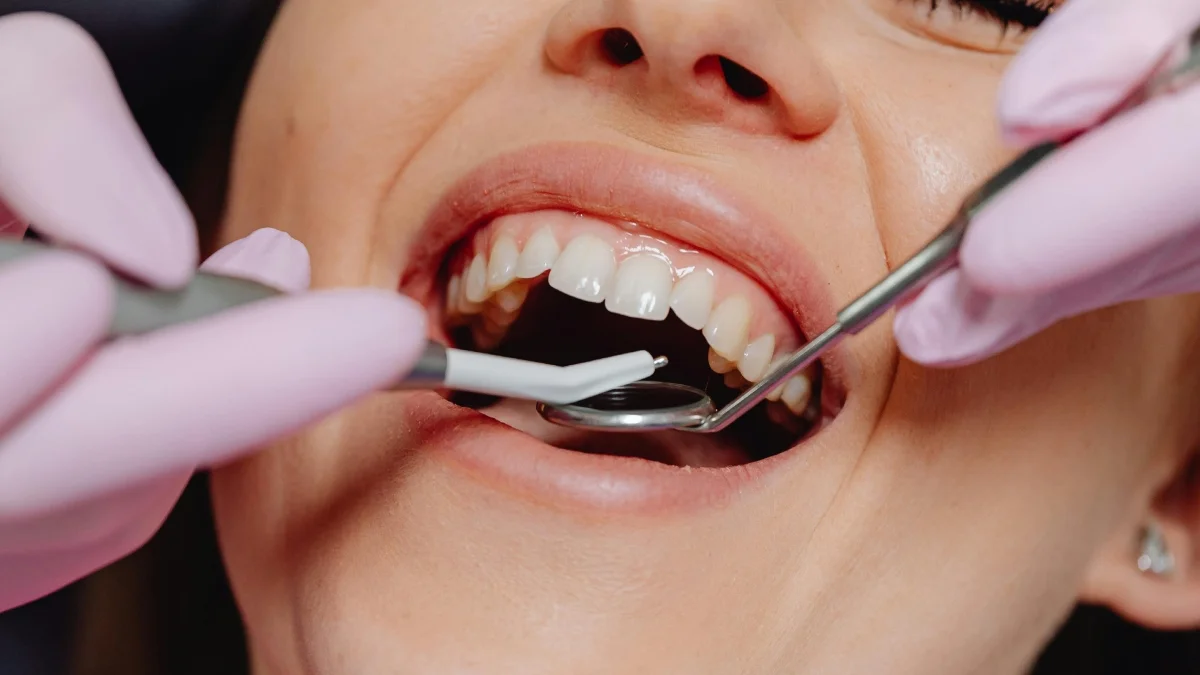


A frenectomy is a common dental procedure that can significantly improve the quality of life for many people. Although not everyone is familiar with this treatment, its importance in correcting oral issues is undeniable. At Odontología Perú, we specialize in this type of procedure to help you achieve a healthy smile and optimal oral function. But what exactly is a frenectomy in dentistry? In this article, we will answer the most common questions about this treatment.
🌟 What Are the Different Types of Dental Frenectomy Procedures?
🔬 Labial Frenectomy
A labial frenectomy is performed on the frenum that connects the upper or lower lip to the maxilla or mandible. This procedure is common in children who have a very short or thick labial frenum, which may cause dental alignment problems and spaces between the teeth.
🔬 Lingual Frenectomy
A lingual frenectomy, also known as a frenotomy, is performed on the frenum that connects the tongue to the floor of the mouth. This type of frenectomy is especially beneficial for people with tongue-tie, a condition that can affect speech and feeding.
🔬 Gingival Frenectomy
A gingival frenectomy is performed when the labial frenum causes gum recession or difficulties with oral hygiene. This procedure helps prevent gum tissue loss while improving oral aesthetics and health.
🌟 How Does a Frenectomy Improve Oral Function and Health?
🔬 Improves Dental Alignment
A labial frenectomy can correct dental alignment issues caused by an excessively short labial frenum. By releasing the frenum, the teeth can align more naturally, reducing gaps and improving the appearance of the smile.
🔬 Improves Speech
A lingual frenectomy is especially beneficial for people with speech difficulties. By releasing the tongue, it becomes easier to move naturally and pronounce sounds correctly, significantly improving communication ability.
🔬 Improves Oral Hygiene
A gingival frenectomy can help prevent gum recession and make it easier to clean the teeth and gums. By removing excess tissue that blocks access to certain areas of the mouth, the risk of periodontal disease and cavities is reduced.
🌟 What Happens During a Frenectomy Treatment?
| Stage | Description |
|---|---|
| Procedure Preparation | Before the frenectomy, the dentist performs a full evaluation to determine the type of frenectomy needed. The procedure is explained, and all patient questions are answered. At Odontología Perú, we ensure patients feel informed and comfortable before treatment begins. |
| Frenectomy Procedure | The frenectomy is a relatively quick procedure performed under local anesthesia. The dentist carefully removes the excess frenum tissue and may place sutures if necessary. The goal is to release the tissue to improve oral function and aesthetics. At Odontología Perú, we use advanced techniques to ensure a safe and effective procedure. |
🔬 Procedure Preparation
Before the frenectomy, the dentist performs a comprehensive evaluation to determine the appropriate type of treatment. The procedure is explained in detail, and any concerns are addressed. At Odontología Perú, patient comfort and understanding are top priorities.
🔬 Frenectomy Procedure
The frenectomy procedure is relatively quick and performed using local anesthesia. The dentist carefully cuts the excess frenum tissue and may place sutures if necessary. The goal is to improve both function and aesthetics. Odontología Perú uses modern techniques to guarantee safe and effective treatment.
🌟 Is a Frenectomy Recommended for Children or Adults?
A frenectomy is common in children, especially to correct dental alignment problems and speech difficulties. Addressing these issues early can prevent future complications and improve oral development.
🔬 Frenectomy in Children
Frenectomies are frequently recommended for children to correct speech difficulties and alignment issues during early oral development. Early treatment can prevent more complex problems later in life.
🔬 Frenectomy in Adults
Adults may also benefit from a frenectomy, especially if they experience dental alignment issues, speech problems, or oral hygiene difficulties. At Odontología Perú, each case is individually evaluated to determine the most appropriate treatment plan.
🔬 Age Considerations
For both children and adults, the decision to perform a frenectomy depends on the severity of the issue and the patient’s expectations. At Odontología Perú, we work closely with patients to provide personalized solutions.
🌟 What Dental Problems Can a Frenectomy Correct?
| Problem | Description | Frenectomy Solution |
|---|---|---|
| Dental Alignment Problems | A short labial frenum may create spaces between teeth, affecting appearance and function. | A labial frenectomy can correct this issue, allowing the teeth to align naturally. |
| Speech Problems | Tongue-tie can make it difficult to pronounce certain sounds, affecting communication. | A lingual frenectomy releases the tongue, significantly improving speech ability. |
| Oral Hygiene Problems | An excessively short frenum may make it difficult to clean the teeth and gums, increasing the risk of periodontal disease and cavities. | A gingival frenectomy improves access to these areas, enhancing oral hygiene. |
🔬 Dental Alignment Problems
A short labial frenum may cause gaps between teeth, affecting smile aesthetics and oral function. A labial frenectomy can help teeth align more naturally.
🔬 Speech Problems
Tongue-tie may make it difficult to pronounce certain sounds correctly. A lingual frenectomy releases the tongue and significantly improves pronunciation.
🔬 Oral Hygiene Problems
An excessively short frenum can interfere with cleaning the teeth and gums, increasing the risk of gum disease and cavities. A gingival frenectomy helps improve access and oral hygiene.
🌟 How Long Does a Frenectomy Take?
🔬 Procedure Duration
A frenectomy is a quick procedure that usually takes between 15 and 30 minutes, depending on the type of frenectomy and the complexity of the case. At Odontología Perú, we ensure the procedure is as efficient and comfortable as possible.
🔬 Factors Affecting Duration
The duration may vary depending on the type of frenectomy, case complexity, and the technique used. At Odontología Perú, our highly trained professionals perform the procedure with precision and efficiency.
🌟 Is a Frenectomy Painful or Minimally Invasive?
🔬 Local Anesthesia
A frenectomy is performed under local anesthesia, meaning the patient does not feel pain during the procedure. The anesthesia is applied directly to the frenum area to ensure maximum comfort.
🔬 Postoperative Recovery
Recovery after a frenectomy is generally quick and uncomplicated. Patients may experience mild discomfort or pain, which can usually be managed with over-the-counter pain relievers. At Odontología Perú, we provide detailed postoperative instructions to ensure optimal healing.
🌟 What Is the Recovery Process After a Frenectomy?
🔬 Immediate Postoperative Care
After a frenectomy, it is important to follow the dentist’s instructions carefully to ensure proper healing. This includes avoiding certain foods, rinsing with salt water, and maintaining excellent oral hygiene.
🔬 Common Symptoms
It is normal to experience mild swelling and discomfort during the first 24–48 hours after the procedure. These symptoms usually improve over time and can be relieved with pain medication and ice packs.
🔬 Postoperative Follow-Up
At Odontología Perú, follow-up appointments are scheduled to ensure recovery is progressing correctly. During these visits, the dentist evaluates healing and provides additional recommendations if needed.
🌟 How Long Does Healing Take After a Frenectomy?
🔬 Healing Time
Most patients can expect a full recovery within 1–2 weeks. However, the exact healing time may vary depending on the complexity of the procedure and each patient’s healing ability.
🔬 Daily Activities
Although recovery is usually quick, patients should avoid intense physical activity and hard or sticky foods during the first weeks after treatment. At Odontología Perú, we provide detailed guidance to help patients safely return to normal activities.
🌟 Can a Frenectomy Help with Speech or Feeding Difficulties?
🔬 Improved Speech
A lingual frenectomy can significantly improve pronunciation by releasing the tongue and allowing more natural movement. This is especially beneficial for children and adults with speech difficulties.
🔬 Improved Feeding
Tongue-tie can make feeding difficult, especially in infants and young children. A lingual frenectomy can improve sucking and chewing abilities, helping patients eat more effectively.
🌟 Long-Term Benefits
Improved speech and feeding provide both immediate and long-term benefits, including better quality of life and increased confidence in communication. These improvements may also reduce the risk of future oral problems such as cavities and periodontal disease, which are common in people with malocclusion.
At Odontología Perú, we are committed to improving your oral health and overall well-being through comprehensive care. Our treatments are designed to correct both visible and functional issues, ensuring efficient chewing and clear speech. This not only improves oral health but also contributes positively to overall wellness, since proper nutrition and effective communication are essential for a healthy life.
In addition, orthodontic correction can help prevent more serious problems such as premature tooth wear and jaw misalignment, which may cause chronic pain and temporomandibular disorders. Our specialists use advanced techniques to deliver long-lasting and satisfying results.dientes y el desalineamiento de la mandíbula, que pueden causar dolor crónico y disfunciones temporomandibulares.