
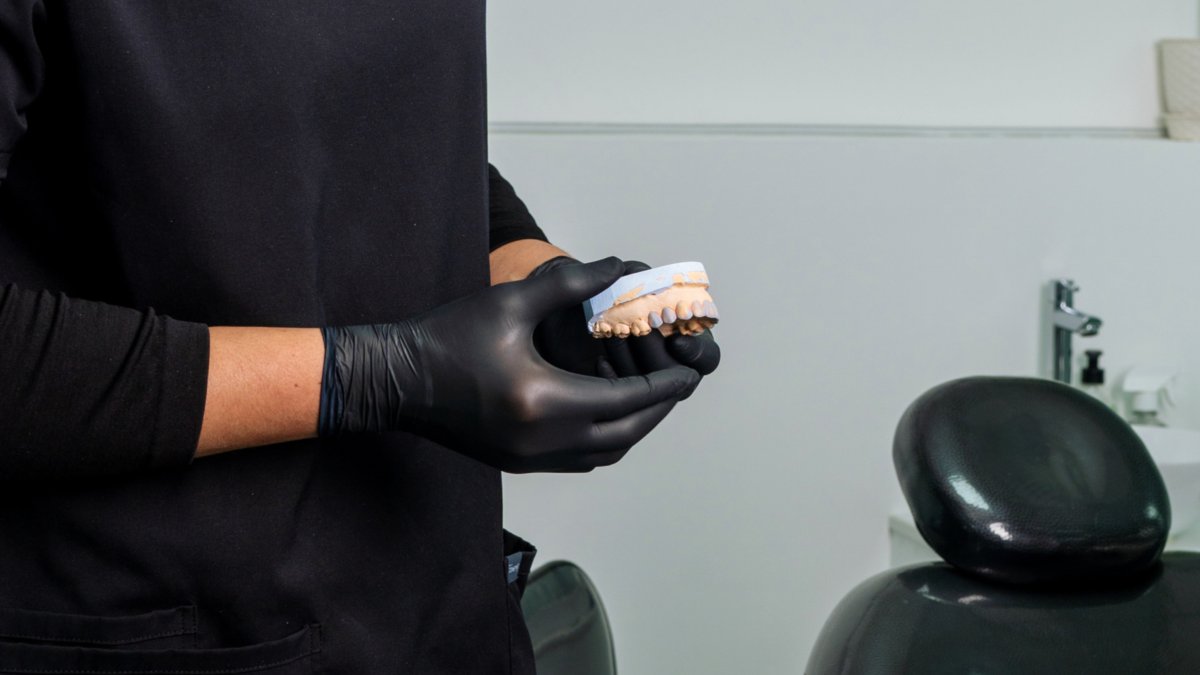

Are you looking for a quick and effective solution for diastema closure with resin? This article will explain how the procedure is performed, its benefits, and everything you need to know to make an informed decision.
The diastema is the space or gap between two teeth, usually the upper front incisors. While for some people it may be a particular aesthetic feature, for others it represents a concern both aesthetically and functionally. In Peru, one of the most commonly used and accessible treatments to close a diastema is the use of composite resin.
In this article, we explain how diastema closure with resin is performed, its advantages, the step-by-step procedure, approximate prices in the Peruvian market, post-care, and answers to the most common questions.
What is a diastema and why does it occur?
The diastema can occur for several reasons:
- Disproportionate size between the teeth and the maxillary bone.
- Habits like thumb sucking or pushing teeth with the tongue (atypical swallowing).
- Very thick or low upper labial frenulum.
- Loss of dental pieces.
- Genetic factors.
Although in some cases it does not represent a functional problem, many patients choose to correct it for aesthetic reasons, especially if the space is between the front teeth.
The diastema is a gap between the teeth that, although it is not always a functional problem, can affect self-esteem and confidence in one’s smile.
🤔 What is diastema closure with resin?
The closure of diastema with resin consists of filling the space between the teeth using an aesthetic material called composite resin, which adheres to the tooth and is shaped to give it a harmonious form and size.
It is a minimally invasive, quick, painless treatment, with immediate results. Additionally, it can be performed in a single session, depending on the size of the space and the number of teeth involved.
🌟 Benefits of closing the diastema with resin
- Immediate aesthetics: The smile improves instantly. The resin matches the natural color of the tooth.
- Quick procedure: Usually performed in a single appointment.
- Non-invasive: Does not require significant dental wear.
- Affordable cost: It is more economical than other treatments such as porcelain veneers or braces.
- Reversible: If the patient wishes to change treatment later (for example, to use orthodontics), the resin can be removed without major complications.
How is the procedure carried out?
The procedure is performed by a dentist specialized in dental aesthetics. Below, we explain the usual steps:
1. Evaluation and diagnosis
The dentist performs a clinical examination and possibly X-rays to rule out issues such as abnormal frenula or malocclusion. The size of the diastema is analyzed and the best solution is proposed.
2. Color selection
A shade of resin is chosen that perfectly matches the natural color of your teeth.
3. Tooth preparation
In many cases, no dental wear occurs, but if it is necessary to improve adhesion, a minimal etching with acid can be done.
4. Application of the resin
The resin is carefully applied between the teeth, shaped with specialized tools, and hardened with a photopolymerization lamp.
5. Polishing and finishing
The material is given its final shape and polished to have the same shine and texture as the natural tooth.
The final result is natural, harmonious, and aesthetically pleasing.
The closure of diastema with resin is a quick and effective solution to improve the aesthetics of your smile without the need for long or invasive treatments.
💰 How much does it cost to close a diastema with resin in Peru?
The price may vary depending on the clinic, the experience of the dentist, and the city. In general, in Lima and other major cities such as Arequipa, Trujillo, or Cusco, prices range between:
- S/ 150 to S/ 300 per tooth, depending on the size of the diastema and the quality of the materials.
Some clinics also offer aesthetic packages that include dental cleaning, whitening, and diastema closure.
It is advisable to choose a certified clinic with good references. A poorly done job can cause aesthetic and functional problems in the long term.
🌟 How long does diastema closure with resin last?
The durability of the treatment will depend on several factors:
- Patient’s oral hygiene
- Type of bite or occlusion
- Habits like biting hard objects, nails, or using teeth as tools
- Material used
On average, a well-maintained resin can last between 3 and 7 years, although many patients keep the treatment in good condition for longer with proper care.
Post-treatment care
To keep your perfect smile for longer, consider the following recommendations:
- Dental brushing with a soft brush and non-abrasive toothpaste.
- Daily use of dental floss, being careful when passing between the treated teeth.
- Avoid biting hard objects, nails, or opening things with your teeth.
- Avoid highly pigmented foods (wine, coffee, tea, etc.) for at least the first 48 hours.
- Attend regular check-ups with your dentist.
Aftercare is crucial to maintaining the results of diastema closure with resin and ensuring that your smile looks natural and beautiful for years.
📊 What are the differences between closing a diastema with resin and with veneers?
| Feature | Composite resin | Porcelain veneers |
|---|---|---|
| Price | More economical | More expensive |
| Duration | 3 to 7 years | 10 to 15 years |
| Aesthetics | Very good | Excellent |
| Reversibility | Yes | No |
| Treatment time | 1 appointment | 2 to 3 appointments |
| Requires wear | Minimum or none | Yes, in most cases |
Who can undergo this treatment?
This procedure is ideal for people:
- With diastema between anterior teeth.
- That they want a quick aesthetic solution.
- With good overall oral health (no cavities, gingivitis, etc.)
- That do not have severe bite problems that could compromise the resin.
🤔 Are there alternatives to diastema closure with resin?
Yes. Depending on the case, the dentist may suggest:
- Orthodontics: when the diastema is due to poor positioning of the teeth.
- Porcelain veneers: for a longer-lasting and more durable aesthetic solution.
- Frenectomy: if the problem is an altered labial frenulum.
- Surgery or restorative treatments in complex cases.
📊 What should I consider before deciding on diastema closure with resin?
| Factor | Consideration |
|---|---|
| Cost | The closure of diastema with resin is more economical than other options such as porcelain veneers. |
| Durability | The resin can last between 3 and 7 years, depending on the care and habits of the patient. |
| Aesthetics | It offers a good aesthetic, although not as durable as porcelain veneers. |
| Reversibility | The treatment is reversible, allowing for a change to other options in the future if desired. |
| Treatment time | It can be done in a single session, making it very convenient for those looking for a quick solution. |
Before deciding on diastema closure with resin, consider factors such as cost, durability, aesthetics, and the reversibility of the treatment.
The diastema closure with resin is an excellent option for those looking to improve their smile quickly, aesthetically, and without spending large sums of money. In Peru, this procedure is becoming increasingly accessible and safe thanks to the specialized training of many dentists and the improvement of dental materials.
If you are thinking about undergoing this treatment, do not hesitate to approach a trusted dental office for quality, request a complete diagnosis, and make sure they use quality materials. A beautiful and well-cared-for smile can enhance not only your image but also your self-esteem.


