


Flexible dental prostheses are a modern and comfortable alternative to traditional dental prostheses made of acrylic or metal. These prostheses are made from a flexible material, usually nylon or thermoplastic resin, which allows them to better adapt to the structure of the mouth and provide greater comfort to the user. Unlike conventional prostheses, which can be rigid and uncomfortable for some, flexible prostheses are lighter, more aesthetic, and comfortable to wear.
Next, we will thoroughly explore what flexible dental prostheses are, their advantages, disadvantages, and whether they are a good option for you, which you can consult at a dental prosthesis center.
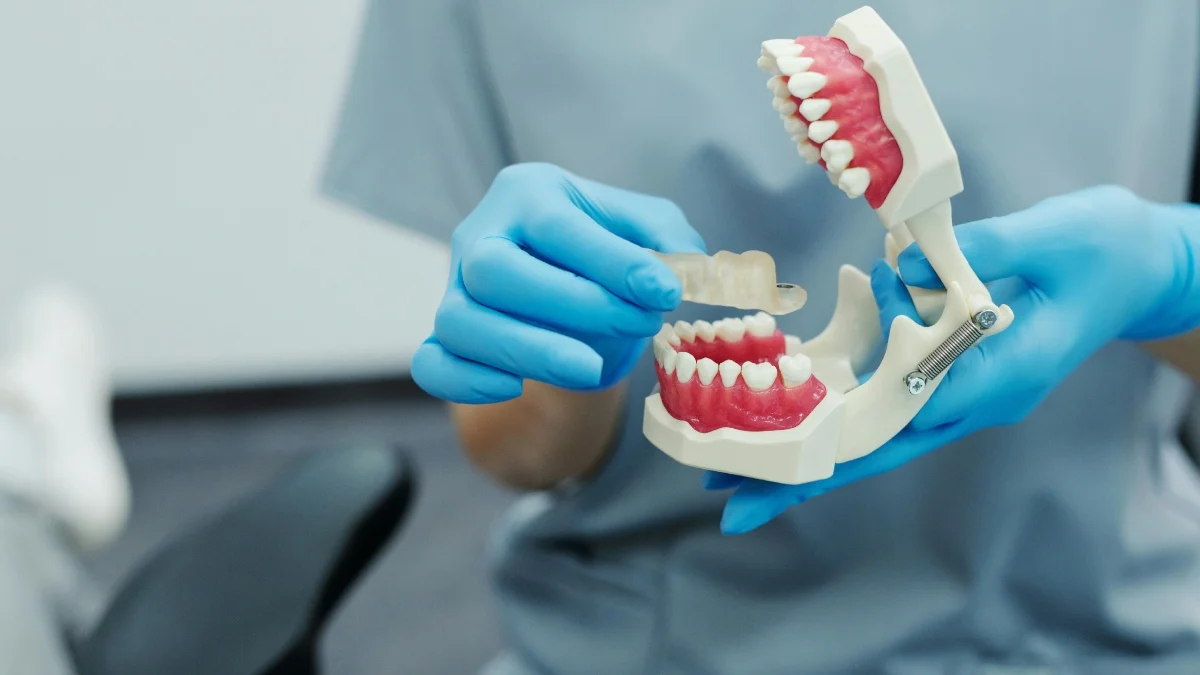
What are flexible dental prostheses?
Flexible dental prostheses are removable devices that replace one or more missing teeth. Unlike traditional partial prostheses, which are usually made of metal and acrylic, flexible prostheses are made from a soft and flexible material, typically a thermoplastic resin, which allows them to fit more easily to the contours of the gums and remaining teeth.
One of the most notable aspects of these prostheses is that they do not require visible metal hooks, as the flexible material provides a firm fit without the need for visible support. This makes them a much more aesthetic option, in addition to being lighter and more comfortable for the user.

What are the main characteristics of flexible prostheses?
Flexible dental prostheses have several characteristics that differentiate them from other types of dental prostheses in Lima:
- Flexibility and comfort: The soft material adapts better to the gums and is less likely to cause pressure points or irritation.
- Superior aesthetics: Without metal hooks, flexible prostheses are almost invisible, making them much more aesthetic.
- Hypoallergenic material: Nylon and other thermoplastic resins are hypoallergenic materials, meaning they are less likely to cause allergic reactions compared to other materials used in prostheses.
- Greater lightness: Flexible prostheses are lighter than traditional prostheses, making them more comfortable to wear for long periods.
- Durability: Although the material is flexible, prostheses of this type are resistant to fractures and falls, as the thermoplastic material is less brittle than acrylic.
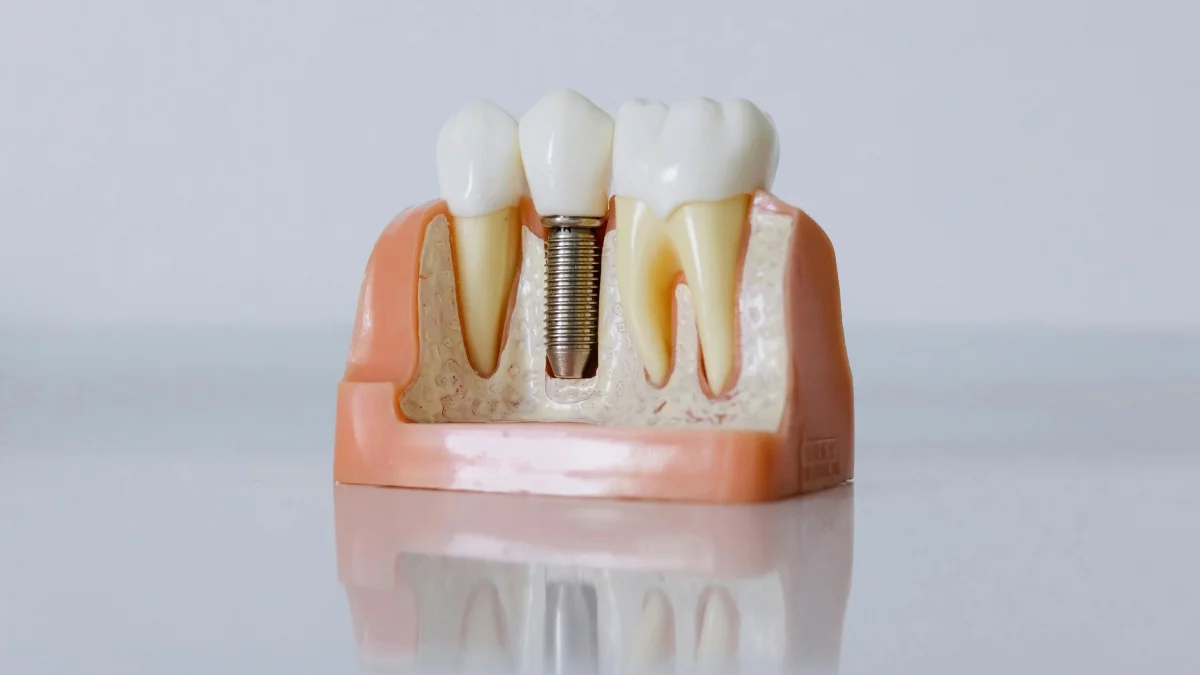
What are the types of flexible prostheses?
Flexible prostheses are generally available in two main types:
1. Flexible partial prostheses
Flexible partial prostheses are designed to replace one or several missing teeth in the mouth. They attach to the remaining natural teeth without the need for metal hooks, making them more aesthetic. These prostheses are especially useful for people who do not want to undergo more invasive treatments like dental implants in Lima.
2. Flexible complete prostheses
Although they are less common than partials, flexible complete prostheses are designed for people who have lost all their teeth in one arch (upper or lower). While this type of prosthesis offers greater comfort than traditional complete prostheses, it is important to note that the stability of flexible complete prostheses may depend more on the fit in the gums, which could require more frequent use of prosthesis adhesives.
Advantages of flexible prostheses
Flexible prostheses offer a number of benefits that make them attractive to many people who need to replace missing teeth. Below, I detail some of the main advantages:
1. Greater comfort
The main benefit of flexible prostheses is their comfort. The flexible material adapts better to the natural shape of the gums, reducing friction and discomfort that traditional prostheses sometimes cause. Additionally, the absence of metal parts helps avoid pressure points or irritation.
2. Improved aesthetics
Without visible hooks, flexible prostheses offer a better aesthetic appearance. The material used is translucent and blends better with the natural color of the gums, making them practically invisible when worn.
3. Durability and resistance
The flexible material is fracture-resistant, meaning that flexible prostheses are less likely to break if dropped, compared to traditional acrylic prostheses. Additionally, they are more durable and can withstand daily use without easily deteriorating.
4. Fit without the need for metal hooks
Flexible prostheses do not require metal hooks to stay in place. Instead, they fit naturally and securely to the remaining teeth and gums, providing a comfortable and aesthetic fit.
5. Faster adaptation process
Due to their flexibility and natural fit, many users find that they adapt more quickly to flexible prostheses compared to rigid ones.
Disadvantages of flexible prostheses
Despite their numerous advantages, flexible prostheses also present some disadvantages that are important to consider before opting for this type of dental solution:
1. Higher cost
Compared to traditional acrylic prostheses, flexible prostheses are usually more expensive due to the type of material used and the manufacturing process.
2. Difficult to adjust
Although flexible prostheses fit better in the mouth, they can be more difficult to adjust if subsequent corrections are needed. The flexible material cannot be modified as easily as rigid acrylic prostheses.
3. Less stability in complete prostheses
Complete prostheses made of flexible material may not provide as much stability as rigid complete prostheses. Flexible prostheses largely depend on the fit with the gums, which may require the use of additional adhesives to ensure a proper fit.
4. Lower stain resistance
The thermoplastic material of flexible prostheses may be more susceptible to stains caused by food and beverages, such as coffee or tea. Additional care is needed to keep them in good condition.
Are flexible prostheses a good option?
In general, flexible prostheses are an excellent option for those seeking an aesthetic, comfortable, and durable solution for replacing missing teeth. They are especially suitable for those who need partial prostheses and value discreet appearance and comfort.
However, while they offer many advantages, it is important to consider some aspects before deciding on a flexible prosthesis:
- Consider your budget: Flexible prostheses are usually more expensive than traditional ones. If budget is a significant concern, acrylic or metal prostheses may be a more affordable option.
- Required stability: If you need a complete prosthesis, you should keep in mind that flexible prostheses may be less stable than rigid ones, and you may need adhesives to keep them firmly in place.
- Aesthetic preferences: If aesthetics is a priority for you, flexible prostheses are ideal, as they are practically invisible and have no visible metal hooks.
Care for flexible prostheses
Caring for flexible prostheses is essential to maintain their durability and appearance. Here are some recommendations for their maintenance:
- Daily cleaning: Clean the prostheses daily with a soft brush and a special solution for prostheses. Avoid using abrasive toothpaste, as it can damage the flexible material.
- Night soaking: Soak the prostheses overnight in an appropriate cleaning solution for dental prostheses. This will help keep them hydrated and free from bacteria.
- Avoid excessive heat: Do not expose flexible prostheses to extremely high temperatures, as this can deform the material.
- Handle with care: Handle the prostheses carefully to avoid damage. Although they are resistant to falls, it is always advisable to handle them over soft surfaces or place a towel in the sink when cleaning them.
Flexible dental prostheses are an innovative and comfortable option for those seeking an aesthetic and functional solution to tooth loss. Their lightweight, discreet, and durable design makes them an excellent alternative for many people. However, it is important to consider some limitations, such as their higher cost and the difficulty of making adjustments if necessary.
If you are considering a flexible dental prosthesis, we recommend visiting Dr. Andrea Contreras, a specialist in dentistry recognized for her experience in personalized treatments. Dental center in Lima, with two strategically located offices, offers a professional and modern approach to ensure you receive the best care for dental prostheses in Lima.
Dr. Contreras will help you determine if this solution is suitable for your specific case and guide you on the necessary care to keep your prosthesis in optimal condition. With her support, you can enjoy a functional and aesthetic smile for many years. Schedule your consultation today and trust the expertise of a dental care expert!


