
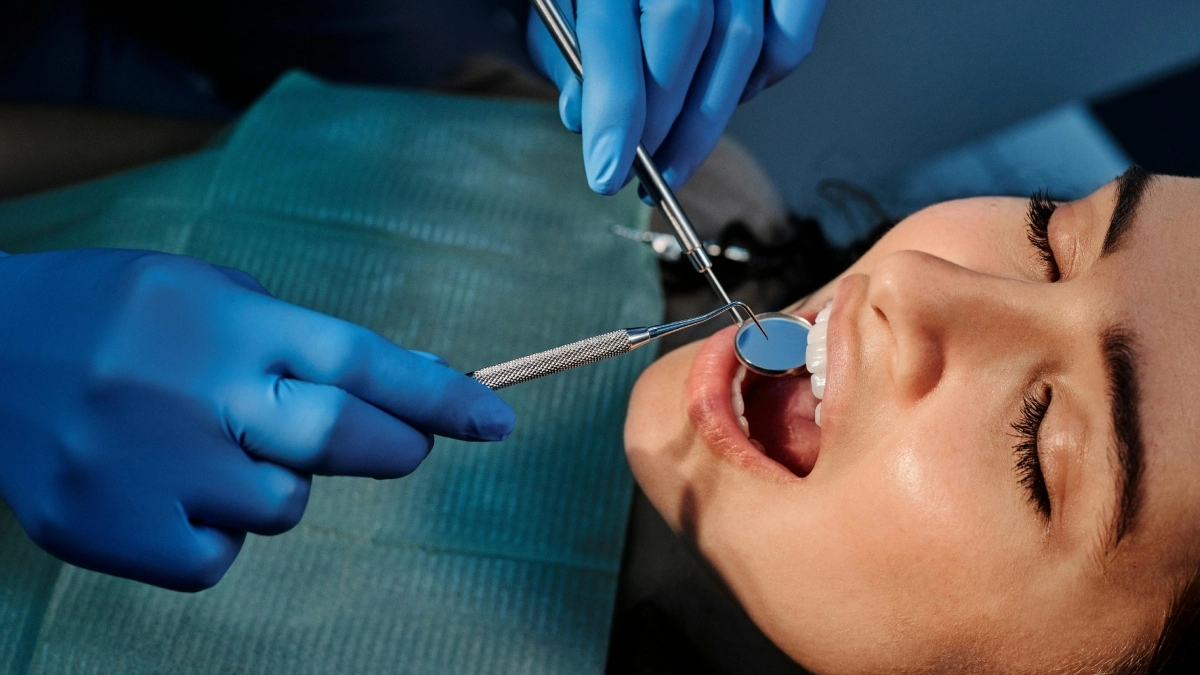

After a dental surgery, maintaining good oral hygiene is essential to avoid infections and promote a quick and safe recovery. However, it is normal to have questions about how to brush your teeth after a dental surgery without damaging the treated area.
In this article, we explain when you can resume brushing, what products to use, and the most common mistakes to avoid during the postoperative period.
When can I brush my teeth again?
The timing for resuming brushing depends on the type of procedure:
- Tooth or wisdom tooth extraction: wait at least 24 hours before brushing.
- Dental implants: you can start gentle cleaning the same day, avoiding the implant area.
- Gum or periodontal surgery: it is usually recommended to use rinses before restarting brushing.
- Other dental surgeries: in some cases, only rinsing with saline is indicated during the first 24-48 hours.
📌 Always follow your dentist’s instructions to avoid complications and ensure proper healing.
Step by step: how to brush your teeth after dental surgery
1. Use a soft-bristled toothbrush
Choose an ultra-soft toothbrush to avoid irritating the treated area. There are also special post-surgical toothbrushes that are gentler on the tissues.
2. Brush with gentle movements
Avoid vigorous brushing. Use gentle circular motions on the teeth and gums, without applying too much pressure.
3. Do not touch the surgical area in the first few days
In the first 24-48 hours, avoid brushing directly over the wound or sutures. You can clean the rest of your mouth normally and let the rinse remove food debris in the operated area.
4. Use a toothpaste without alcohol or irritating agents
Opt for a toothpaste without abrasive ingredients, such as whiteners or strong menthol, as they could cause discomfort in the operated area.
5. Complement with an appropriate mouthwash
The dentist may recommend antiseptic rinses, such as chlorhexidine, to reduce the risk of infection. Do not use mouthwashes with alcohol, as they can irritate the wound and delay healing.
6. Avoid rinsing forcefully or spitting abruptly
After the dental surgery, it is important not to create pressure in the mouth. Rinse gently and let the liquid flow out without forcing it to avoid bleeding or opening the wound.
7. Use dental floss with caution
Dental floss is important, but you should use it with great care, avoiding touching the operated area. If there is swelling or discomfort, you can suspend its use for a few days.
Errors to avoid when brushing your teeth after dental surgery
Common mistakes to avoid:
- Smoking or drinking alcohol: they delay healing and increase the risk of complications.
- Using hard brushes: they can damage the wound.
- Brushing too hard: it can cause bleeding.
- Using mouthwashes with alcohol: they irritate the area.
- Touching the wound with fingers or tongue: risk of infection.
What to do if you bleed or have pain while brushing?
🔸 Light bleeding: apply pressure with a sterile gauze for a few minutes.
🔸 Moderate pain: take the prescribed pain reliever before brushing.
🔸 Persistent bleeding: contact your dentist immediately.
After a dental surgery, maintaining proper oral hygiene is essential to prevent infections and ensure a successful recovery. By following these tips, you will be able to brush your teeth correctly without affecting the treated area.
Final recommendation
After a dental surgery, taking care of your oral hygiene is as important as following the medical treatment. By following these steps on how to brush your teeth after a dental surgery, you can avoid complications and speed up your recovery.
👉 For a personalized evaluation or more postoperative advice, consult with the specialists at odontologiaperu.com and receive professional care to protect your oral health.


