
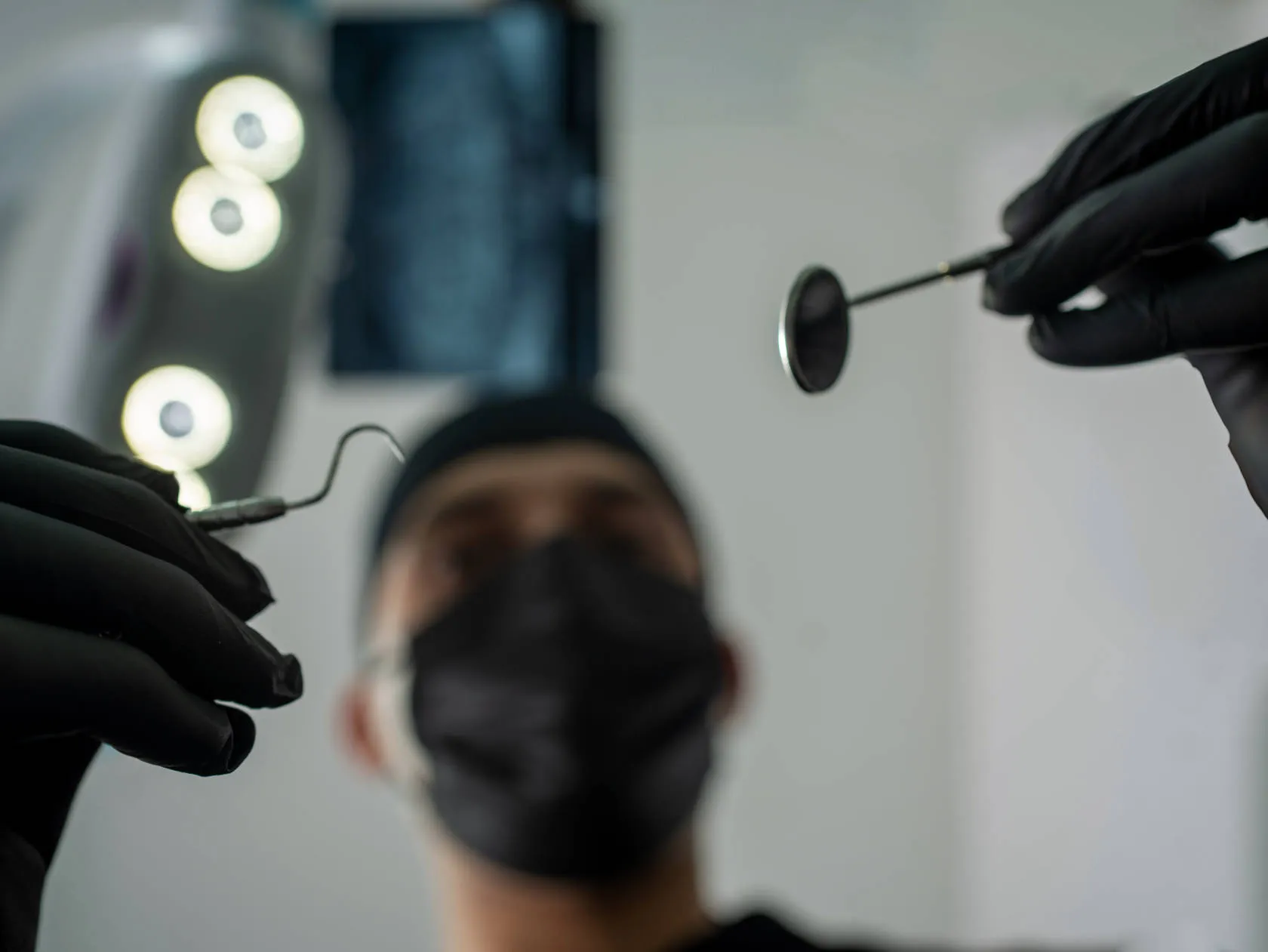

Dental and odontological surgeries are specialized procedures aimed at solving problems in the teeth, gums, jaw, and other structures of the mouth. In Peru, these procedures are becoming increasingly accessible and safe, thanks to advancements in general dentistry services and the expertise of specialists in the field.
If you are wondering what type of dental surgery you need or which is the most suitable for your case, this article provides a detailed list of the most common procedures, their benefits, and postoperative recommendations.
Difference between dental surgery and odontological surgery
Although often used as synonyms, there is a subtle difference:
- Dental surgery: Focuses on interventions related to the teeth and their structure.
- Odontological surgery: Covers a broader field, including surgical treatments on gums, jaw bones, and soft tissues of the mouth.
Types of dental surgeries
Below, we present the most common types of surgeries in both categories.
1. Dental Extraction Surgery
Wisdom tooth extraction
This is one of the most common interventions. It is performed when the wisdom teeth do not have enough space to emerge properly or are impacted, causing pain, swelling, or infections.
Extraction of damaged teeth
When a tooth is severely deteriorated or fractured and cannot be restored with conventional treatments, it is extracted to prevent infections and other complications.
2. Dental Implant Surgery
Dental implants are a modern and effective solution for replacing lost teeth. They consist of placing a titanium screw in the jawbone, onto which a dental crown is fixed. It is a safe procedure that restores the functionality and aesthetics of the smile. Explore the treatments for dental implants in Lima and get all the details.
3. Periodontal Surgery
When periodontal disease (gingivitis or periodontitis) is advanced, surgical intervention is necessary to eliminate the infection, reduce inflammation, and restore the affected tissues.
The most common procedures are:
🔹 Periodontal flap: Deep cleaning of the tooth root and tissue regeneration.
🔹 Gum graft: Used to cover exposed roots due to gum recession.
4. Orthognathic Surgery (Jaw Correction)
Indicated for patients with jaw deviations or bite problems that affect chewing, speech, or facial aesthetics. This dental surgery is performed in coordination with orthodontic specialists and maxillofacial surgeons to achieve proper alignment.
5. Dental Bone Graft
When a patient has lost bone in the jaw due to tooth loss or periodontal disease, a bone graft is required before placing a dental implant. Bone fragments from the patient or synthetic materials are used to regenerate the bone structure.
6. Apicoectomy
This is a surgery performed when a root canal treatment has not been sufficient to eliminate an infection in the tooth root. It involves the removal of the tip of the root and the infected tissue, avoiding tooth extraction.
7. Surgery for Lingual or Labial Frenulum
Some people have a short lingual frenulum that makes speaking or eating difficult. In these cases, a frenectomy is performed, a quick and simple procedure to improve tongue mobility.
8. Surgery for Oral Cysts or Tumors
If a cyst or tumor in the oral cavity is detected, it must be removed through odontological surgery. Depending on the size and location, this procedure may be performed by a maxillofacial surgeon.
When is it necessary to undergo dental or odontological surgery?
Some symptoms or conditions that may require surgery include:
✅ Constant pain in molars or gums.
✅ Fractured or lost teeth.
✅ Bleeding or swelling in the mouth.
✅ Bite problems or jaw alignment issues.
✅ Recurrent infections in teeth or gums.
If you experience any of these symptoms, it is best to consult a specialist dentist for a professional evaluation.
Care after dental or odontological surgery
For a quick and uncomplicated recovery, follow these recommendations:
✔️ Rest: Avoid intense physical activities in the first 24-48 hours.
✔️ Soft diet: Prefer soups, purees, yogurt, and avoid hard or very hot foods.
✔️ Proper oral hygiene: Use a soft toothbrush and alcohol-free mouthwash.
✔️ Cold compresses: Reduce inflammation and relieve pain.
✔️ Avoid smoking and drinking alcohol: Delay healing.
If you experience intense pain, fever, or excessive bleeding, consult your dentist immediately.
Where to undergo dental surgery in Peru?
It is essential to go to a dental clinic with experience and advanced technology. In Peru, there are various quality options, but if you are looking for specialists in dental surgery with the best treatments, we recommend odontologiaperu.com, the dental center of Dr. Andrea Contreras, where you will find safe and effective solutions.
Dental and odontological surgeries encompass various procedures designed to improve oral health and the quality of life of patients. In Peru, these treatments are within everyone’s reach thanks to technology and the expertise of specialists in the field.
👉 If you need an evaluation or more information about dental surgery, schedule your appointment with a specialist today.


