


Dental prophylaxis is a preventive procedure performed by dentists aimed at maintaining oral health in optimal condition. This treatment consists of a deep cleaning of the teeth and gums to remove tartar, bacterial plaque, and other deposits that can cause periodontal diseases, cavities, and bad breath. It is one of the most effective tools for preventing major problems and ensuring good oral hygiene in the long term.
What does dental prophylaxis consist of?
The dental prophylaxis procedure is generally carried out in a dental office and usually lasts between 30 and 60 minutes, depending on the patient’s oral health status. Here I explain the basic steps that are normally followed:
1. Initial dental examination
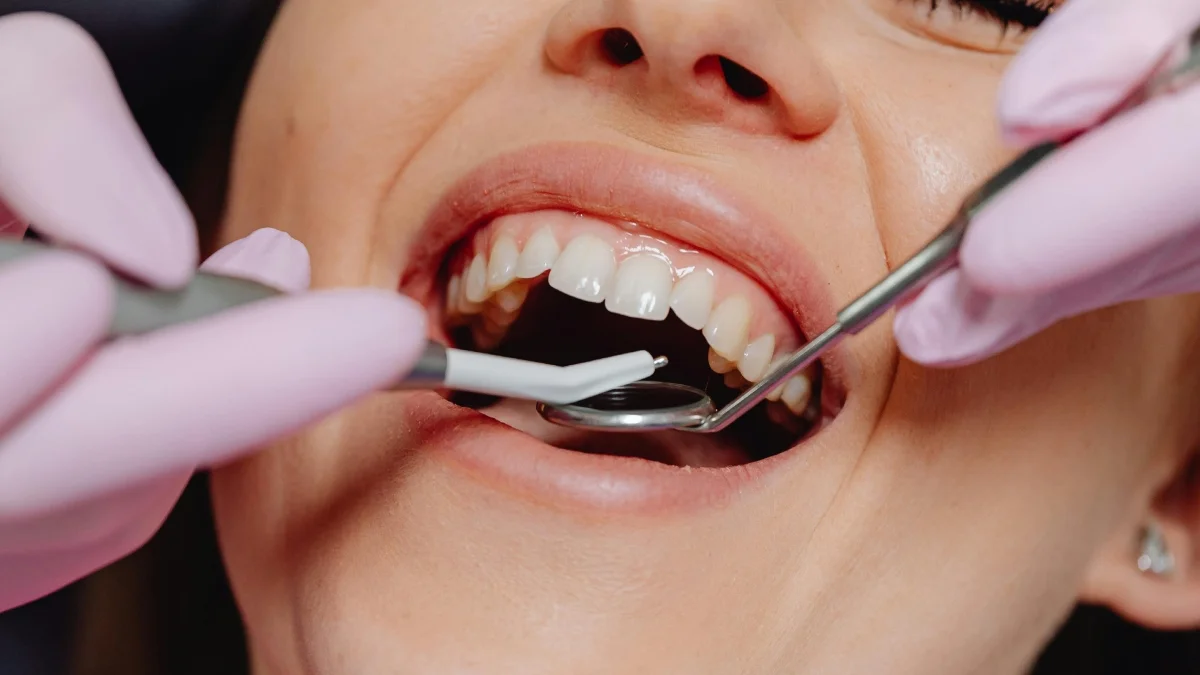
Before starting the cleaning, the dentist or dental hygienist performs a preliminary examination to assess the condition of your teeth and gums. Using a dental mirror and, at times, X-rays, they look for signs of problems such as cavities, gum inflammation, or tartar buildup.
2. Removal of tartar and bacterial plaque
The second step involves the removal of tartar (dental calculus), a hard substance that adheres to the teeth and gums and cannot be removed with daily brushing. This process, known as scaling, is performed with specialized tools called curettes or, in some cases, with an ultrasonic device that vibrates to dislodge tartar from the surface of the teeth.
3. Dental polishing
Once the tartar has been removed, the dentist will proceed to polish the teeth with a special abrasive toothpaste. The goal of this step is to smooth the surface of the teeth, which helps prevent future plaque buildup and leaves the teeth brighter and smoother.
4. Fluoridation (optional)
In some cases, a fluoride treatment may be applied to strengthen the enamel of the teeth. This step is especially recommended for individuals at higher risk of developing cavities, as fluoride acts as a protective barrier against acids produced by bacteria.
Benefits of dental prophylaxis
Dental prophylaxis is much more than just a simple cleaning. It has multiple benefits that contribute to overall and oral health. Among the main benefits are:
- Prevention of periodontal diseases: By removing bacterial plaque and tartar, the risk of developing gum diseases, such as gingivitis and periodontitis, is significantly reduced.
- Prevention of cavities: Bacterial plaque is one of the main causes of cavity formation. By cleaning it regularly, the likelihood of cavities appearing is significantly decreased.
- Improvement of breath (halitosis): The accumulation of bacteria in the mouth can lead to bad breath. Prophylaxis helps maintain a clean and fresh mouth.
- Conservation of teeth: By proactively caring for your teeth and gums, dental loss due to infections or severe damage to periodontal tissues is prevented.
- Early detection of dental problems: During prophylaxis, the dentist has the opportunity to identify potential dental issues in their early stages, allowing for treatment before they worsen.
How often should dental prophylaxis be performed?
The recommended frequency for undergoing dental prophylaxis varies according to each person’s oral health status. However, the majority of dentists suggest having a professional dental cleaning at least twice a year (every six months). In cases of individuals with periodontal issues, a higher frequency may be recommended, such as every three or four months, to prevent disease progression.
Who should undergo dental prophylaxis?
Dental prophylaxis is recommended for everyone, regardless of age, as we are all exposed to the accumulation of bacterial plaque. However, it is especially important for individuals with the following risk factors:
- Smokers: Tobacco promotes tartar buildup and stains on teeth, increasing the need for regular cleanings.
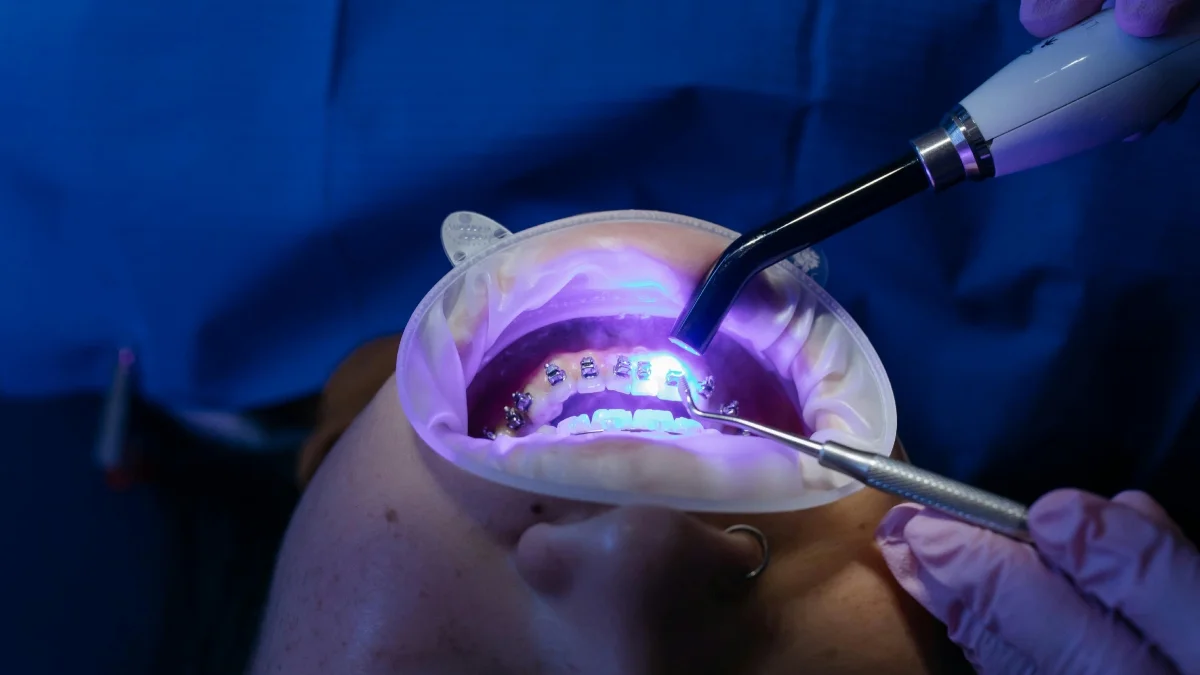
- Orthodontic patients: Individuals with braces or dental appliances often have more difficulty properly cleaning all areas of the mouth.
- People with a history of periodontal diseases: Those who have had issues such as gingivitis or periodontitis should have closer monitoring to avoid relapses.
- Diabetics: Individuals with diabetes are more prone to developing infections and gum problems, thus requiring more frequent prophylaxis.
Difference between dental prophylaxis and home cleaning
While brushing and flossing at home are essential for maintaining good daily oral hygiene, they are not sufficient to eliminate the tartar that accumulates over time. A toothbrush cannot access all areas of the mouth, especially in the deeper zones between the teeth and gums.
Dental prophylaxis complements home care by removing what cannot be cleaned with home tools. Additionally, the dentist can provide personalized recommendations to improve your daily dental hygiene routine.
Dental prophylaxis is a crucial part of preventing and maintaining oral health. It not only helps prevent common issues such as cavities and gum diseases but also ensures that your teeth remain strong and healthy for a longer time. Getting a professional cleaning regularly is an investment in your long-term health and a simple way to avoid major complications in the future.
To ensure quality dental care, we recommend consulting with Dr. Andrea Contreras, a specialist in dentistry known for her experience and professionalism. Her dental center in Lima has two strategically located offices to provide personalized care and modern treatments that guarantee the best results.
Do not hesitate to schedule an appointment with Dr. Andrea Contreras to find out the ideal frequency of dental prophylaxis for your particular case. Remember, prevention will always be the best strategy to maintain a healthy smile. Your oral health is in the best hands!


